

Unlocking the Potential of Coconut Peat: A Sustainable Gardening Solution
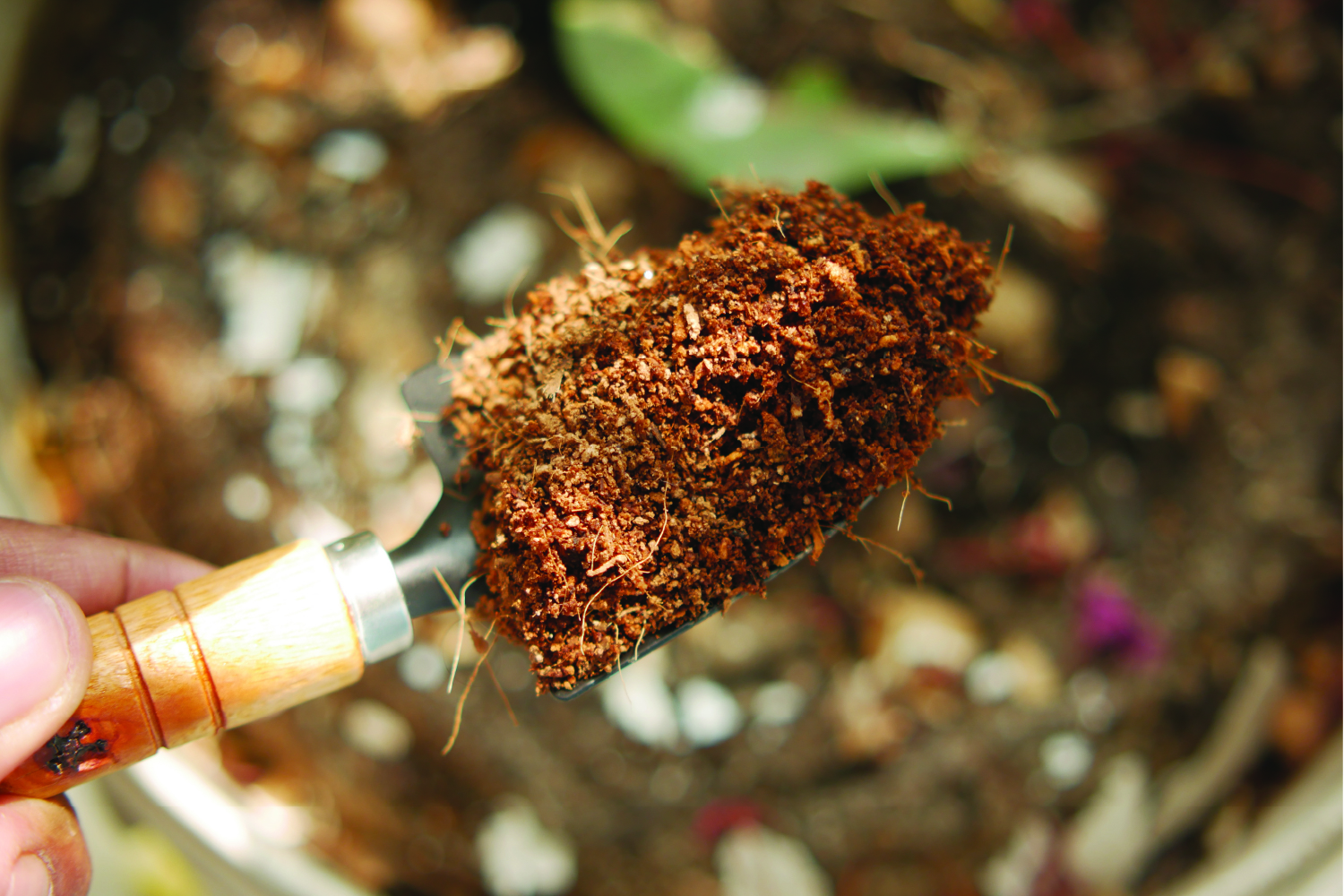
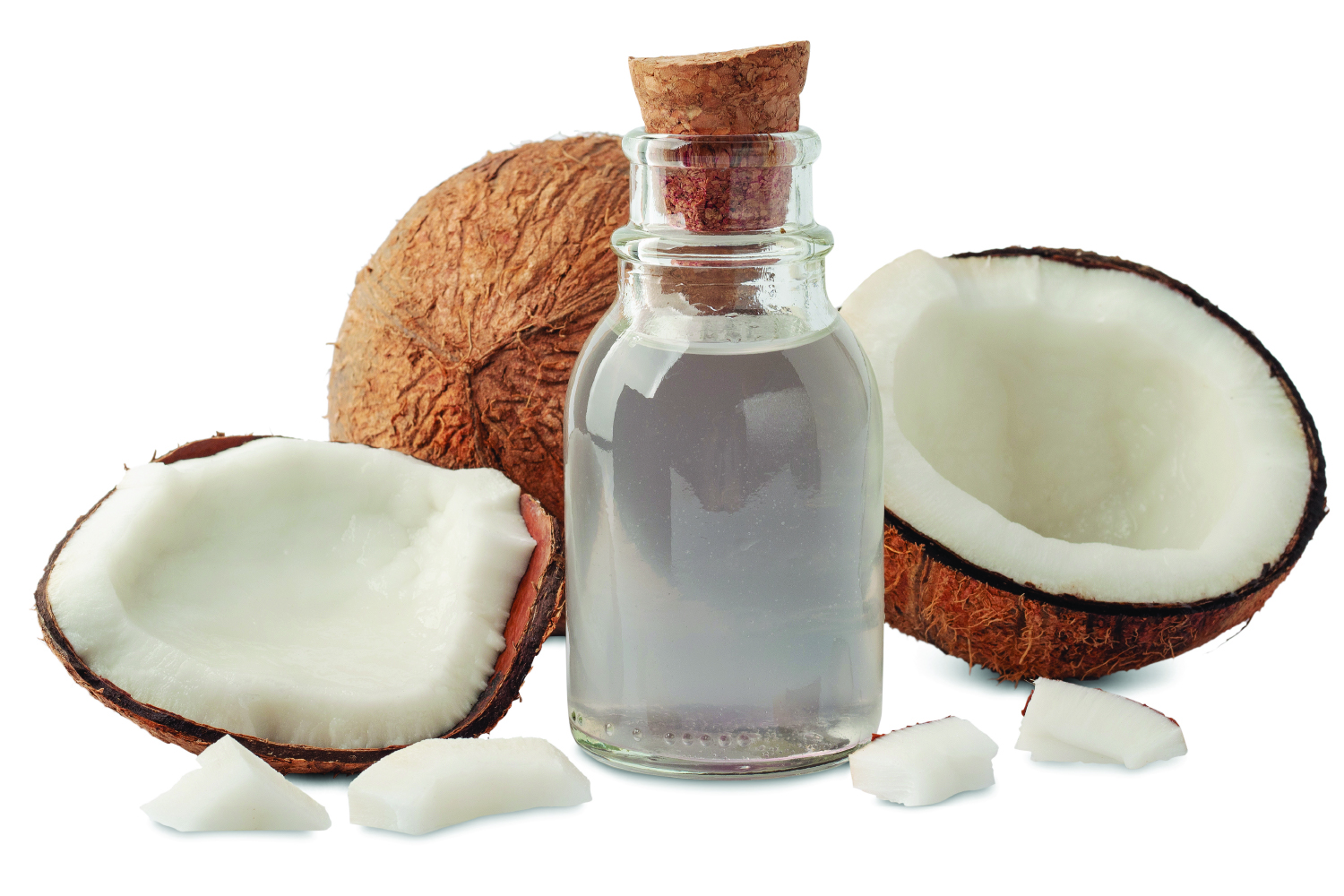
Coconut peat, also known as coconut coir or coco peat, is a versatile and environmentally friendly gardening medium that has gained popularity among gardeners and horticulturists. Derived from the fibrous material found between the outer husk and the inner shell of coconuts, coconut peat offers numerous benefits for plant growth, soil improvement, and sustainable gardening practices. In this article, we will explore the uses, advantages, and effective methods of utilizing coconut peat in gardening.
The Advantages of Coconut Peat as a Gardening Medium
- Excellent Water Retention: Coconut peat has excellent water retention properties, allowing it to retain moisture for extended periods. This feature helps prevent plants from drying out quickly and reduces the frequency of watering, making it particularly beneficial in arid or dry climates.
- Enhanced Aeration: Coconut peat is lightweight and has a fibrous texture, which promotes optimal air circulation within the root zone. This enhanced aeration prevents soil compaction and provides ample oxygen to the roots, promoting healthy plant growth.
- pH Neutral and Nutrient-Rich: Coconut peat has a neutral pH level, making it suitable for a wide range of plants. It also contains natural nutrients such as potassium, phosphorus, and magnesium, which can support plant growth and development.

Utilizing Coconut Peat in Gardening
- Seed Starting and Potting Mixes: Mix coconut peat with compost, perlite, and vermiculite to create a well-draining potting mix suitable for starting seeds or transplanting seedlings. The lightweight nature of coconut peat reduces the risk of root damage during transplanting.
- Soil Amendment and Conditioning: Incorporate coconut peat into garden beds or existing soil to improve its structure, water retention, and nutrient content. The fibrous texture of coconut peat helps loosen heavy clay soils and enhances drainage.
- Hydroponic and Container Gardening: Coconut peat is widely used in hydroponic systems and container gardening. Its water retention capacity and ability to provide necessary aeration to the roots make it an ideal growing medium for various plants, including vegetables, herbs, and ornamentals.
Delicious Coconut-Based Recipes
Coconut Curry: Indulge in the aromatic flavors of a coconut curry, blending coconut milk with spices, vegetables, and your choice of protein. Serve it with fragrant rice or naan bread for a satisfying meal.
Coconut Chia Pudding: Start your day with a healthy and delicious coconut chia pudding. Mix chia seeds with coconut milk, a touch of sweetener, and your favorite toppings, such as fresh fruits or nuts. Allow it to set overnight for a nutritious breakfast or snack.
Coconut Shrimp: Enjoy a taste of the tropics with crispy coconut shrimp. Dip peeled shrimp in beaten egg, then coat them in a mixture of shredded coconut and breadcrumbs. Fry until golden brown and serve with a tangy dipping sauce.
Is coconut peat a sustainable option?
es, coconut peat is considered a sustainable gardening option as it is a byproduct of the coconut industry. It utilizes the waste material that would otherwise be discarded.

Can coconut peat be reused?
Yes, coconut peat can be reused in subsequent growing seasons. Rinse and rehydrate the used coconut peat before reapplying it in gardening projects.



Short Summary
Coconut peat is a valuable resource in sustainable gardening practices, offering exceptional water retention, enhanced aeration, and nutrient-rich properties. Whether you’re starting seeds, amending soil, or exploring hydroponic gardening, coconut peat provides a versatile and eco-friendly solution. Embrace the benefits of coconut peat and witness the positive impact it can have on your gardening endeavors, fostering healthy plant growth and contributing to a greener future.