
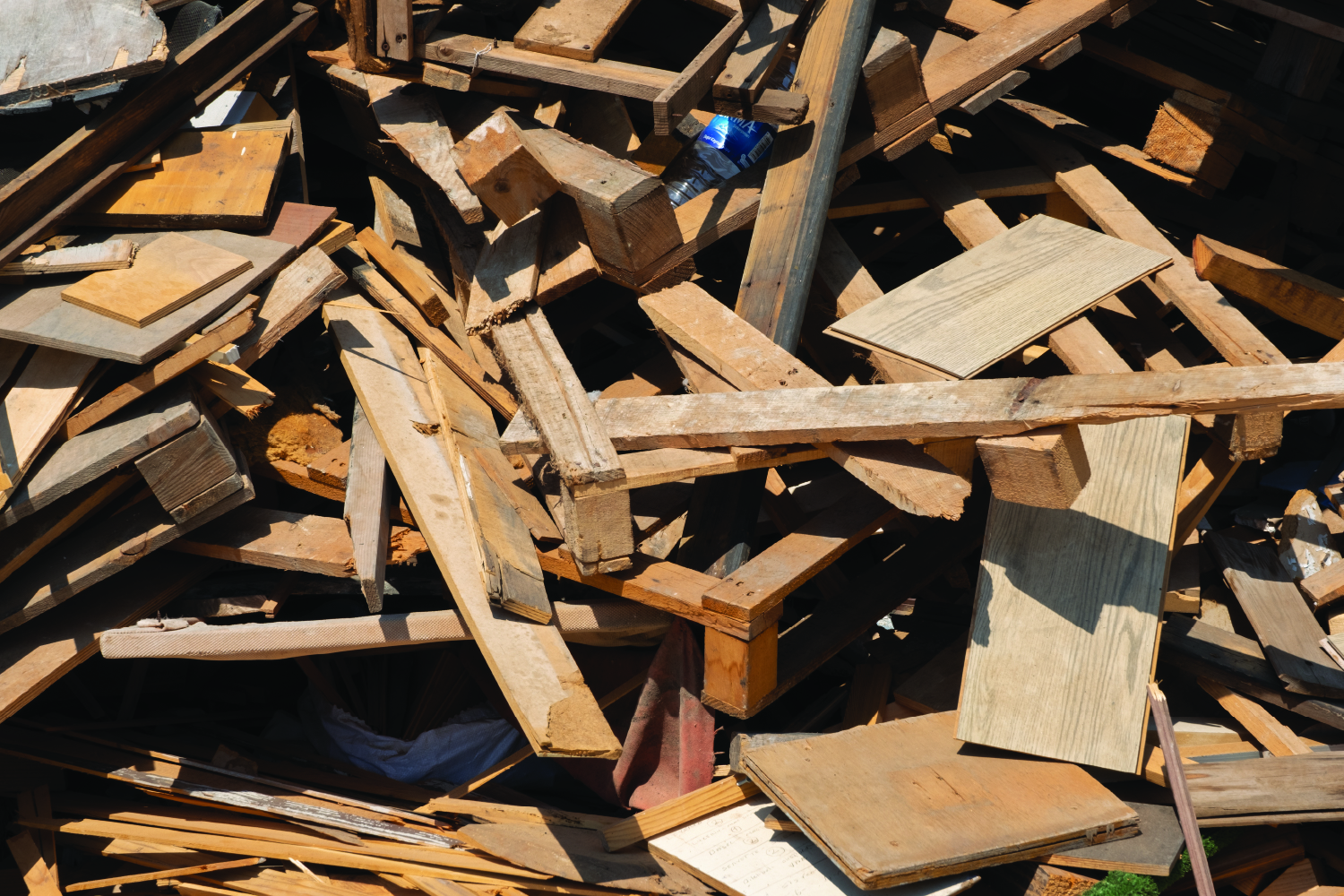
All in the family of Organic Waste
Organic waste, consisting of biodegradable materials such as food scraps, yard trimmings, and agricultural residues, poses significant challenges for waste management systems. However, with the growing awareness of environmental sustainability, innovative solutions are emerging to tackle organic waste and transform it into valuable resources. In this article, we will explore the importance of managing organic waste, the benefits of organic waste recycling, and effective strategies for sustainable organic waste management.
why we need organic waste
- To reduce greenhouse gas emissions: When organic waste is sent to landfills, it decomposes anaerobically, which produces methane, a potent greenhouse gas. Composting organic waste instead of sending it to landfills can help to reduce greenhouse gas emissions.
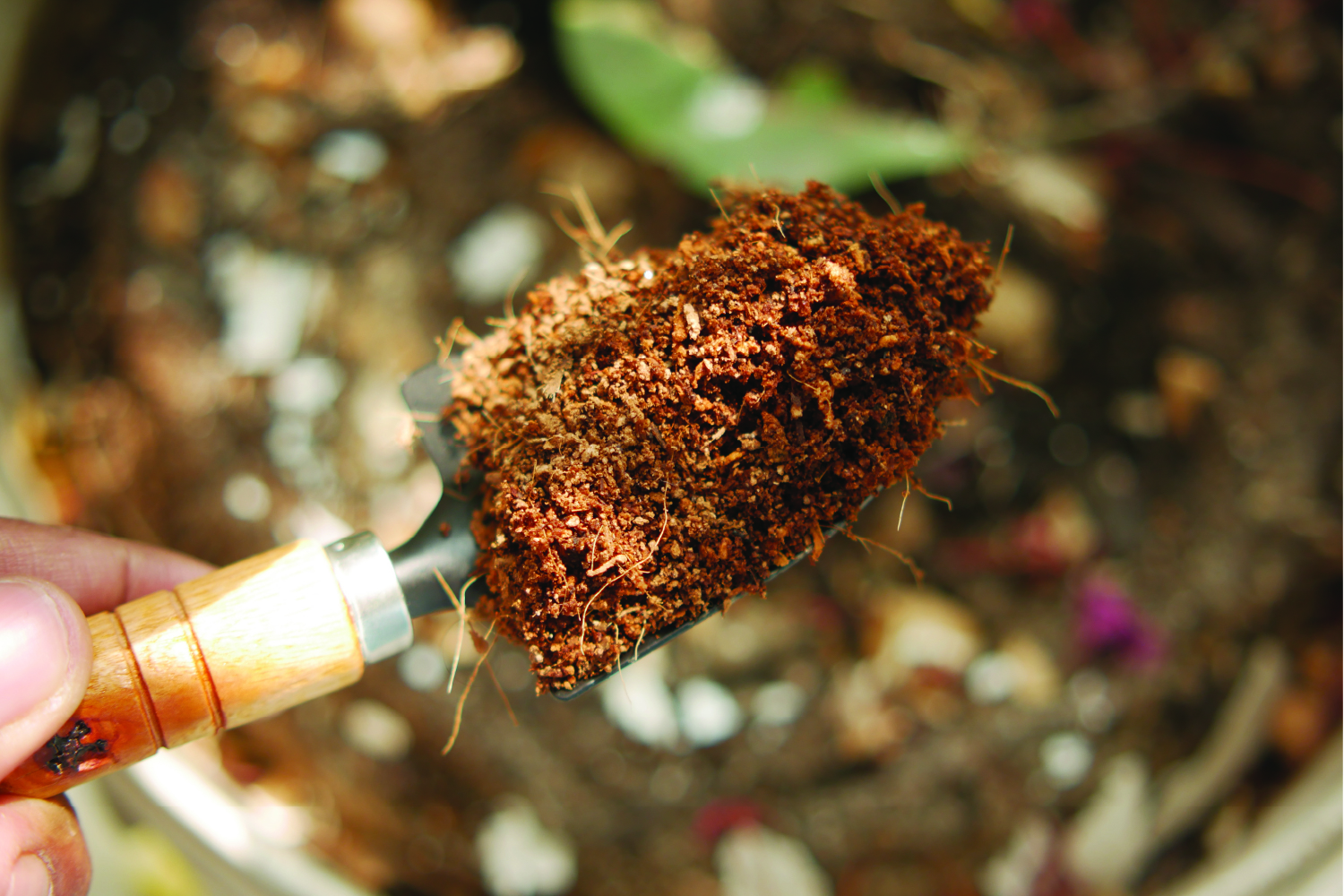
- To improve soil quality: Composting organic waste can help to improve soil quality by adding nutrients and organic matter. This can help to increase crop yields and reduce the need for chemical fertilizers.
- To create jobs: The composting industry creates jobs in a variety of sectors, including collection, processing, and marketing.
- To protect water quality: Composting organic waste can help to protect water quality by reducing runoff and erosion. This can help to improve the quality of drinking water and reduce the risk of flooding.
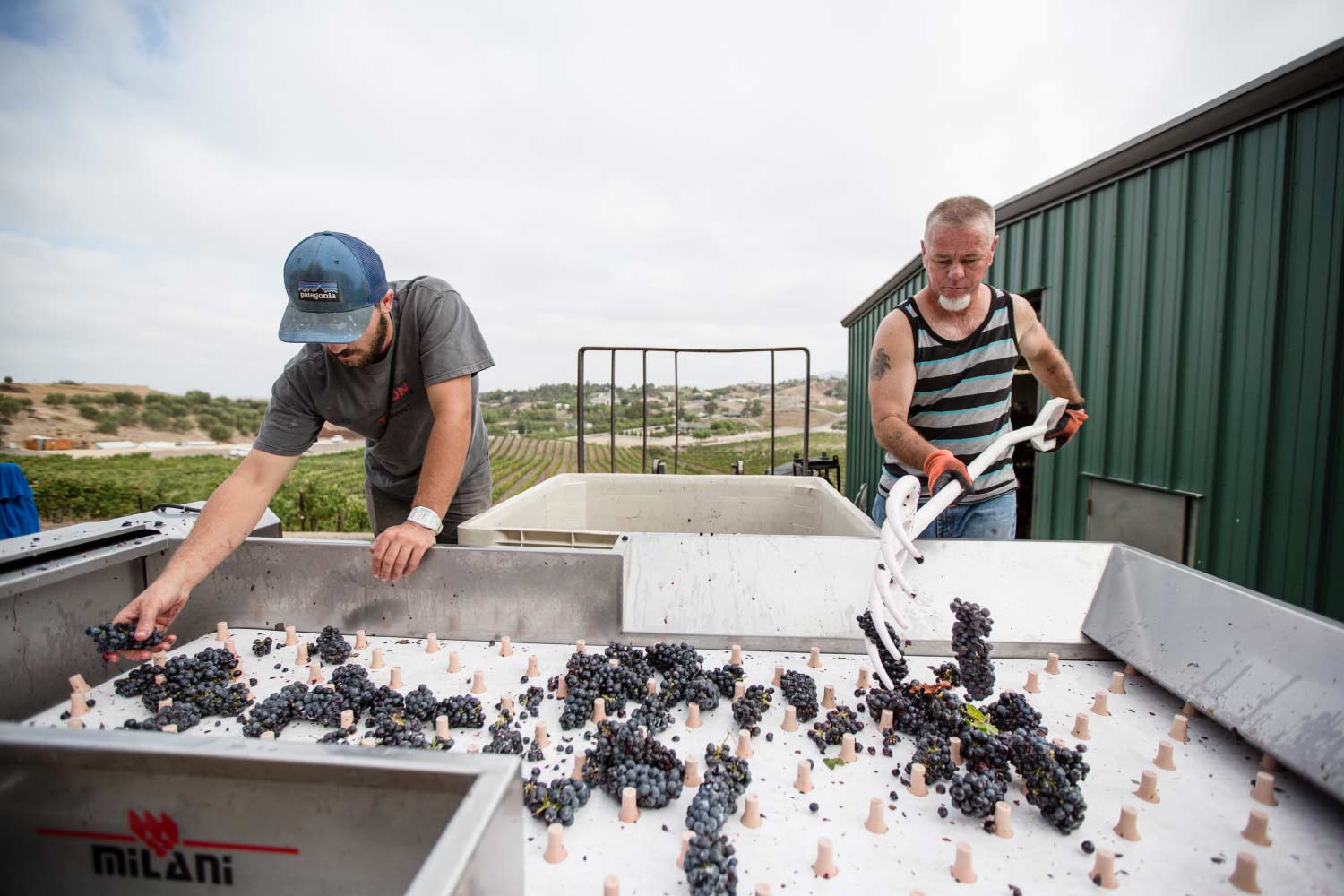

organic waste can be used
- Composting: Composting is the process of converting organic waste into a nutrient-rich soil amendment. Compost can be used to improve soil quality, increase crop yields, and reduce the need for chemical fertilizers.
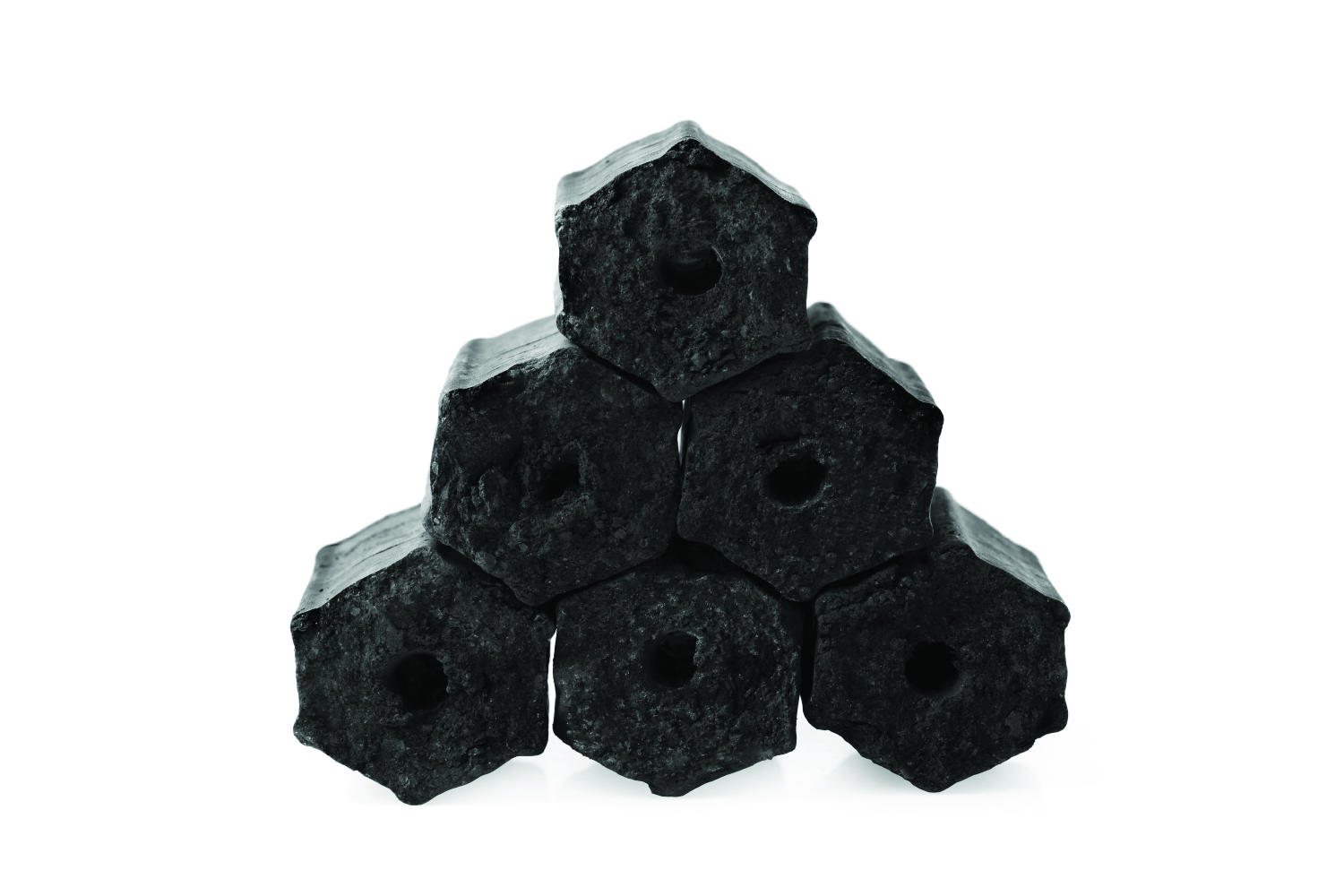
- Anaerobic digestion: Anaerobic digestion is the process of converting organic waste into biogas, a renewable energy source. Biogas can be used to generate electricity, heat homes and businesses, and power vehicles.
- Animal feed: Organic waste can be used to feed animals. This can help to reduce the amount of food waste that is sent to landfills.
- Landscaping: Organic waste can be used to improve the appearance of landscapes. It can be used to create mulch, which helps to retain moisture and suppress weeds.
Can all types of organic waste be composted?
While most organic waste can be composted, certain materials such as meat, dairy products, and oily substances may require specialized composting techniques. It is essential to follow specific guidelines and consult local composting facilities for appropriate waste disposal practices.

How can businesses contribute to organic waste management?
Businesses can implement waste reduction strategies, such as food waste prevention, proper storage and handling of organic waste, and collaboration with recycling facilities for the recycling of organic waste. They can also explore partnerships with composting or anaerobic digestion facilities to ensure sustainable waste management.




Short Summary
Efficient management of organic waste is a key component of sustainable waste management systems. By embracing organic waste recycling, we can mitigate environmental impacts, conserve resources, generate renewable energy, and foster a circular economy. It is essential for individuals, communities, and businesses to actively participate in organic waste management practices to create a greener and more sustainable future.